_edited.jpg)
"We Heard You!" How Brands are Responding to Consumer Demands for Inclusivity
- Mannat kaur
- Jun 27, 2024
- 5 min read

In the ever-evolving landscape of fashion and retail, one of the most significant shifts in recent years has been the growing demand for inclusivity. Consumers are no longer satisfied with one-size-fits-all approaches; they seek brands that recognise and celebrate diversity in all its forms, including size, shape, ethnicity, gender, and more. This push for inclusivity is not just a trend but a powerful movement reshaping the industry. In response, many brands have embraced this change, promoting size and body positivity in their marketing strategies. Let’s explore how brands are responding to this call for inclusivity and making strides toward a more equitable and representative fashion landscape.

The Rise of Inclusive Fashion
For decades, the fashion industry perpetuated narrow standards of beauty, often excluding anyone who didn’t fit into the conventional mold. Models on runways and in advertisements typically conformed to a specific body type, leading to widespread issues of body image and self-esteem among consumers.
However, the tide is turning. A new era of inclusivity is emerging, driven by a growing awareness of the diverse realities of body shapes and sizes. Social media platforms have amplified the voices of those advocating for representation, compelling brands to rethink their strategies and embrace a more inclusive approach.
Leading Brands Championing Inclusivity
Several brands have risen to the occasion, leading the charge in promoting size and body positivity through their products, advertising, and overall brand ethos. Here’s a closer look at some of the trailblazers:
1. Aerie: Redefining Beauty Standards
Aerie, the lingerie and lifestyle brand by American Eagle Outfitters, is renowned for its commitment to inclusivity and body positivity. In 2014, Aerie launched its groundbreaking "Aerie Real" campaign, featuring unretouched photos of models of all shapes, sizes, and ethnicities. This bold move challenged the industry’s obsession with perfection and resonated deeply with consumers.
Key Initiatives:
- Diverse Representation: Aerie’s marketing showcases a broad range of body types, including models with disabilities and different skin tones, promoting the message that beauty comes in all forms.
- Real Role Models: Instead of using traditional models, Aerie frequently features real customers and influencers, emphasising authenticity and relatability.
- Inclusive Sizing: Aerie offers an extensive range of sizes, ensuring that its products cater to a wide array of body shapes and sizes.

2. Savage X Fenty: Redefining Lingerie Inclusivity
Rihanna’s Savage X Fenty has revolutionised the lingerie industry by placing inclusivity at its core. Launched in 2018, the brand quickly gained acclaim for its bold and unapologetic approach to celebrating diversity. Savage X Fenty’s marketing and product lines challenge the traditional norms of beauty and inclusivity in fashion.
Key Initiatives:
- Diverse Casting: Savage X Fenty’s campaigns and runway shows feature models of all genders, sizes, and ethnicities, breaking down barriers and setting new standards for representation.
- Wide Size Range: The brand offers an extensive range of sizes, from XS to 3X, and beyond, making stylish lingerie accessible to more people.
- Celebrating Individuality: Savage X Fenty’s designs are bold and unique, empowering individuals to express themselves confidently and authentically.
3. ASOS: Inclusive Fashion for All
ASOS, the global online fashion retailer, has been a pioneer in promoting size inclusivity and body positivity. ASOS’s commitment to inclusivity is reflected in its diverse range of clothing sizes and its efforts to feature models that represent a broad spectrum of body types.
Key Initiatives:
- Curve Collection: ASOS Curve offers a stylish and trendy collection specifically designed for plus-size women, with sizes ranging from 16 to 30 (UK).
- ASOS Tall and Petite: Recognising the diversity in body heights, ASOS also provides dedicated lines for tall and petite customers, ensuring that everyone finds a perfect fit.
- Diverse Models: ASOS’s website and campaigns frequently feature models of different sizes, ethnicities, and body types, promoting a more inclusive representation of fashion.
4. Fenty Beauty: Inclusive Beauty Revolution
While not strictly a fashion brand, Fenty Beauty’s impact on inclusivity and representation in the beauty industry cannot be overlooked. Launched by Rihanna in 2017, Fenty Beauty made headlines with its extensive foundation range, catering to a broad spectrum of skin tones often overlooked by other brands.
Key Initiatives:
- 40 Shades of Foundation: Fenty Beauty’s initial launch included 40 shades of foundation, setting a new standard for inclusivity in the beauty industry. This range has since expanded, further emphasising the brand’s commitment to diversity.
- Inclusive Campaigns: Fenty Beauty’s marketing campaigns feature a diverse array of models and influencers, showcasing the brand’s products on a wide range of skin tones and highlighting the beauty of diversity.
- Broad Product Range: Beyond foundation, Fenty Beauty’s product line includes shades and formulations designed to suit different skin types and preferences, ensuring inclusivity across its offerings.

5. Nike: Celebrating Athletes of All Sizes
Nike, a global leader in sportswear, has long been a proponent of inclusivity in sports and fashion. The brand’s marketing campaigns celebrate athletes of all abilities, genders, and body types, reinforcing the message that everyone can be an athlete.
Key Initiatives:
- Plus-Size Activewear: Nike offers a comprehensive range of plus-size activewear, designed to provide comfort and performance for athletes of all sizes.
- Inclusive Campaigns: Nike’s campaigns often feature diverse athletes, including those with disabilities and varying body types, promoting the idea that sport is for everyone.
- Adaptive Clothing: Nike’s adaptive clothing line, including its FlyEase shoes, is designed to be accessible for individuals with disabilities, demonstrating the brand’s commitment to inclusivity.
The Impact of Inclusive Marketing
The shift towards inclusivity is not just a moral imperative but also a smart business strategy. Brands that embrace diversity and representation in their marketing are reaping significant benefits:
1. Building Stronger Connections
Inclusive marketing helps brands forge deeper connections with their audience. Consumers appreciate seeing themselves represented in advertising and are more likely to engage with and support brands that reflect their values and experiences.
2. Expanding Customer Base
By offering products that cater to a broader range of sizes and body types, brands can tap into previously underserved markets. This expansion can lead to increased sales and brand loyalty among diverse consumer groups.
3. Enhancing Brand Reputation
Brands that champion inclusivity and body positivity often enjoy a more favorable reputation. Consumers are increasingly inclined to support companies that demonstrate a commitment to social responsibility and equality.
4. Driving Social Change
Inclusive marketing has the power to drive societal change by challenging stereotypes and promoting acceptance. By normalising diversity in their campaigns, brands contribute to a culture of inclusivity and respect.
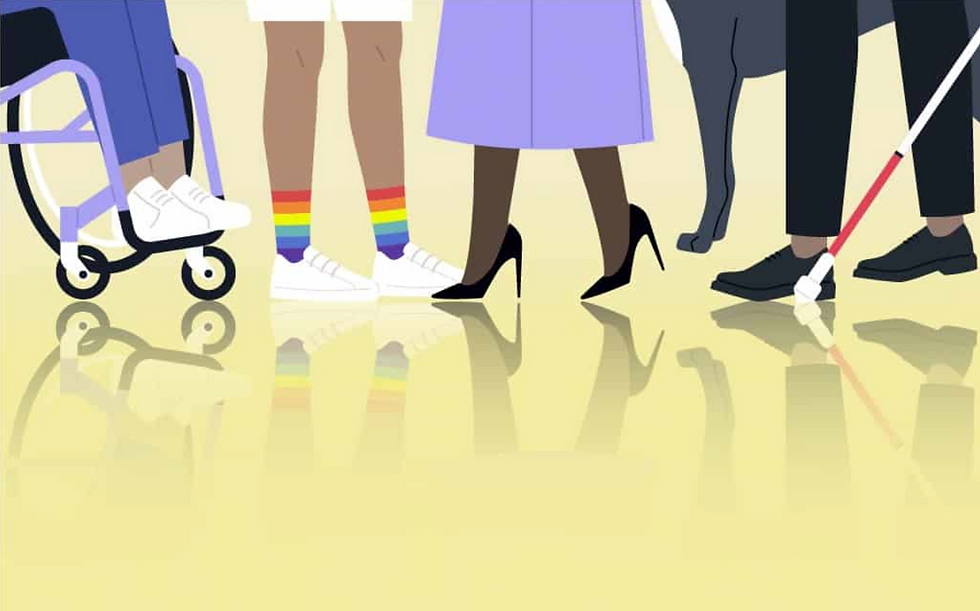
Conclusion: The Future of Fashion is Inclusive
The demand for inclusivity in fashion and retail is more than a passing trend—it’s a transformative movement that’s here to stay. Brands that listen to their consumers and embrace diversity are not only meeting market demands but also leading the charge towards a more equitable and representative industry.
As we look to the future, the continued success of inclusive brands like Aerie, Savage X Fenty, ASOS, Fenty Beauty, and Nike sets a powerful example for others to follow. By prioritizing inclusivity and body positivity, these brands are paving the way for a fashion landscape where everyone feels seen, valued, and empowered.
The message is clear: inclusivity is not optional—it’s essential. And as consumers, our voices and choices will continue to shape the industry, driving it towards a future where beauty and fashion are truly for everyone.

Comments